%2Ffit-in%2F250x250%2Fguide_websites%2F20682%2Fimages%2F1737719819391image-2025-01-24t185025.802.png&w=1920&q=100)
Caught a Redfish Inshore in Hilton Head
Redfish Fishing in Hilton Head
5.0

12 Reviews
- 5
 100%
100% - 4
 0%
0% - 30%
- 20%
- 10%
%2F%2Fusers%2F29e95bd0-9144-46e8-a2bf-8b0a30312188%2Fimages%2Fredfish-hilton-head-stormy-fishing-5524.png&w=1920&q=75)
The Sciaenops Ocellatus belongs to the order Perciformes and family Sciaenidae. It typically measures between 30 and 61 inches in length, with a weight range from 10 to 45 lbs. Habitat: onshore, flats, backcountry, nearshore. - Redfish are also known as Red Drum and are prized game fish. - They can be identified by distinctive eyespots near the tail. - These fish have a red-colored back that fades to a white belly.
Fishing Charter by Captain Sangkyun Kim in August
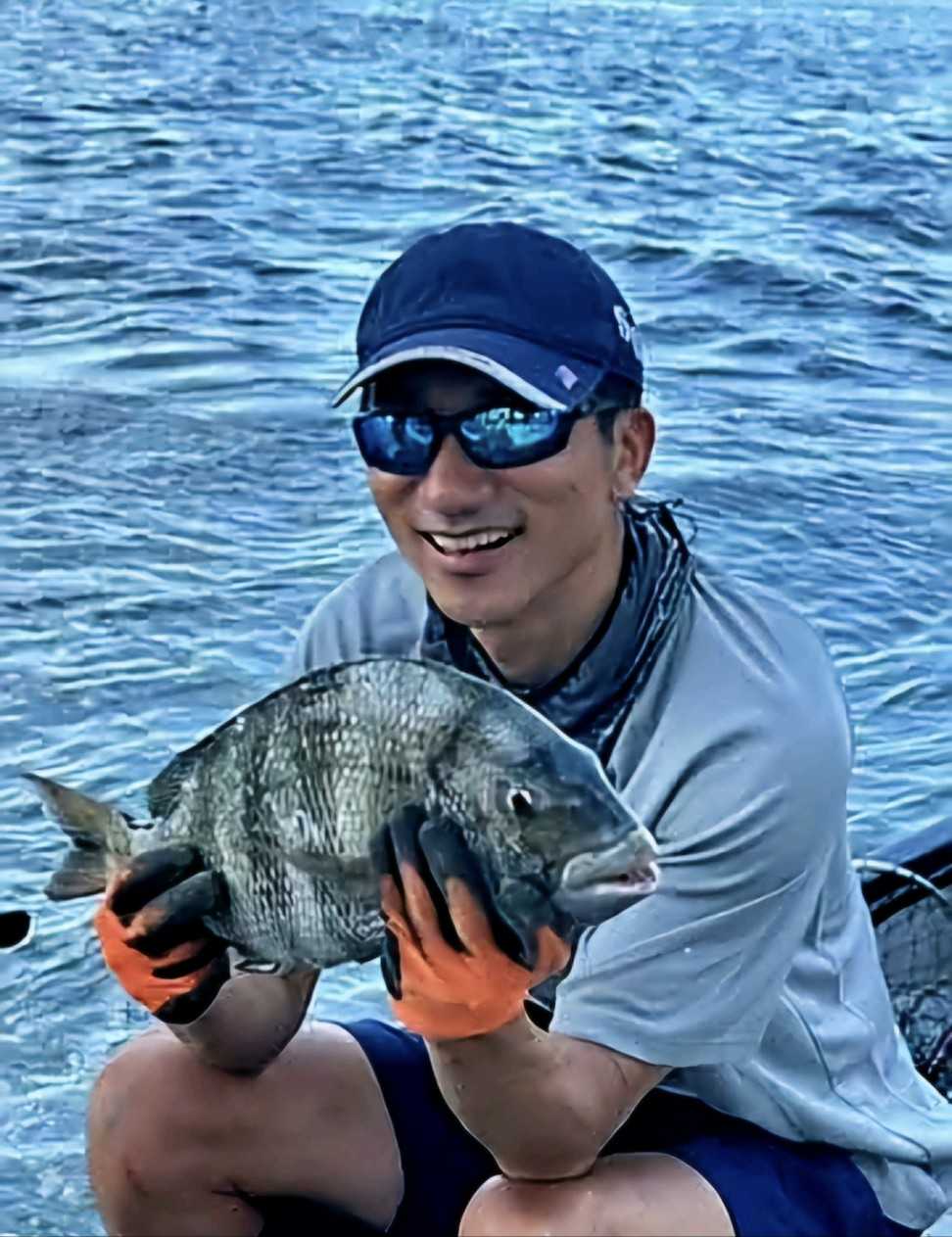
- I Love Hilton Head Island Fishing Charters!



Summary
Captain Kim's 3-hour fishing charter in Hilton Head Island offers prime inshore fishing for redfish, speckled trout, and black drum. This Friday July trip targets shallow flats and backcountry waters where redfish thrive year-round. Using light tackle techniques from surf fishing to kayak fishing, anglers experience the diverse inshore fishing opportunities that make Hilton Head a premier fishing destination. The charter includes all equipment and expert guidance, perfect for families and anglers of all skill levels looking to explore South Carolina's productive coastal waters.
Fishing Charter with Captain Kim – Rates & Booking
Captain Kim of I Love Fishing Charters on Friday July offers 3-hour inshore fishing trips targeting redfish and other local species. The charter accommodates up to 3 guests and includes all fishing equipment, bait, and expert guidance. Departing from C.C. Haigh, Jr. Boat Landing, these trips focus on shallow water fishing techniques including surf fishing and kayak fishing. Licensed and experienced, Captain Kim knows the productive flats and backcountry spots where redfish feed. Book online or call to check availability and current rates for your Hilton Head fishing adventure.
Highlights of 3 Hour Fishing Trip
This inshore charter targets redfish in their preferred shallow water habitat, typically 1-4 feet deep around Hilton Head's extensive flats system. The trip combines multiple fishing techniques, giving anglers experience with both surf fishing and kayak fishing approaches. Recent trips have produced redfish up to 24 inches, along with black drum, southern flounder, and speckled trout. The variety of species and fishing methods makes this an ideal introduction to Hilton Head's inshore fishing opportunities.
The 3-hour duration provides ample time to explore different fishing spots while accommodating various skill levels. Captain Kim adjusts techniques based on conditions and guest experience, ensuring everyone has opportunities to catch fish. The scenic backdrop of Hilton Head Island adds to the experience, making even slower fishing days enjoyable on the water.
Local Species Insights: Redfish
Redfish thrive in Hilton Head's shallow inshore waters, particularly around grass flats, oyster bars, and tidal creeks. These copper-colored fish are easily identified by their distinctive black spots near the tail and their preference for very shallow water. In July, redfish are active throughout the day, feeding on crabs, shrimp, and small baitfish in the warming waters. They're known for their strong fights and willingness to take both live bait and artificial lures, making them perfect targets for light tackle fishing. The slot-size redfish common in these waters provide excellent sport while larger bull reds offer trophy potential for experienced anglers.
Plan Your Fishing Charter Day
The charter departs from C.C. Haigh, Jr. Boat Landing with all necessary fishing equipment provided, including rods, reels, tackle, and bait. Captain Kim supplies different setups for various techniques, from surf fishing gear to lighter kayak fishing equipment. The boat accommodates up to 3 guests comfortably, allowing for personalized instruction and plenty of fishing space. Safety equipment is standard, and Captain Kim monitors weather conditions to ensure safe, productive trips. Guests should bring sun protection, drinks, and a cooler if they plan to keep their catch. The trip focuses on catch-and-release practices while allowing guests to keep legal-size fish within regulations.
Fishing in Hilton Head: Redfish
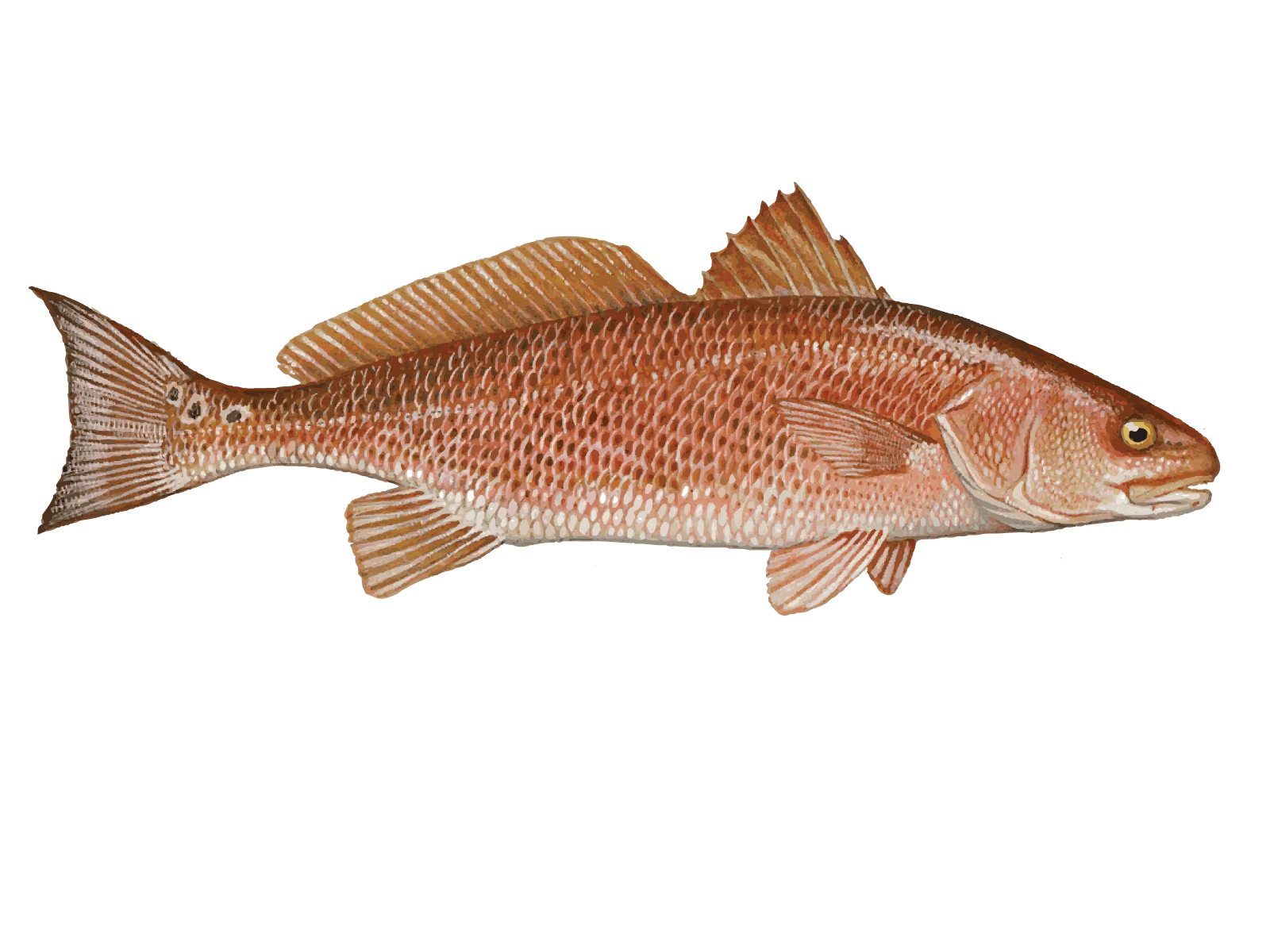
The Redfish (Sciaenops ocellatus), also known as Red Drum, is a premier game fish belonging to the order Perciformes and family Sciaenidae. These distinctive copper-colored fish are easily recognized by their characteristic black eyespots near the tail and their reddish back that fades to white on the belly. In Hilton Head waters this July, redfish are particularly active in the shallow inshore areas where they feed aggressively.
Redfish Overview
Redfish are highly valued by anglers for their fighting ability and willingness to take both live bait and artificial lures. They're found along the Atlantic coast from Massachusetts to Florida, with South Carolina's waters providing some of the most consistent fishing. These fish are known for their distinctive drumming sound, produced by muscles vibrating against their swim bladder, which gives them their "drum" name.
Redfish Habitat and Distribution
These fish prefer very shallow water ranging from 1 to 4 feet deep, making them perfect targets for sight fishing and light tackle techniques. Around Hilton Head Island, redfish inhabit grass flats, oyster bars, tidal creeks, and marsh edges where they hunt for crabs, shrimp, and small baitfish. They're equally comfortable in brackish and saltwater environments, often moving with the tides to access feeding areas.
Redfish Size and Weight
Redfish typically range from 30 to 61 inches in length, with weights between 10 and 45 pounds for mature fish. Slot-size redfish (14-23 inches in South Carolina) are most commonly caught inshore, while larger bull reds exceeding 27 inches provide trophy fishing opportunities. The fish grow relatively quickly, reaching sexual maturity around 3-4 years of age.
Redfish Diet and Behavior
Redfish are opportunistic feeders that hunt primarily by sight and sound in shallow water. Their diet consists mainly of crabs, shrimp, mullet, menhaden, and other small fish. They often feed with their heads down and tails up, creating visible disturbances called "tailing" that alert anglers to their presence. Peak feeding times are typically during moving tides, especially around dawn and dusk.
Redfish Spawning Season
Spawning occurs in nearshore waters from late summer through fall, typically when water temperatures range from 70-80°F. During this period, large schools of adult redfish gather in deeper water to spawn, creating excellent fishing opportunities for trophy-sized fish. After spawning, juveniles move into shallow estuarine waters where they spend their first few years.
Redfish Fishing Techniques
Effective techniques include sight fishing with live shrimp or crabs, casting spoons and soft plastics to tailing fish, and using topwater lures during early morning or late evening. Cut bait works well for larger fish, while artificial lures like gold spoons, paddle tails, and popping corks are highly effective. In July around Hilton Head, anglers find success fishing grass flats during incoming tides and oyster bars on the outgoing tide.
Redfish Is It Good to Eat?
Redfish offer excellent table fare with firm, white meat and a mild, slightly sweet flavor. The flesh is lean and flakes easily when cooked, making it versatile for grilling, blackening, or frying. Slot-size redfish are considered the best eating, as larger fish can be tougher and may contain higher mercury levels. The meat is high in protein and omega-3 fatty acids while remaining relatively low in mercury compared to many other game fish.
Redfish Frequently Asked Questions
Q: What is the best bait for redfish?
A: Live or fresh dead shrimp, blue crabs, and cut mullet are top natural baits. For artificials, gold spoons, soft plastic paddle tails, and topwater plugs work exceptionally well.
Q: Where can I find redfish near Hilton Head?
A: Look for redfish on shallow grass flats, around oyster bars, in tidal creeks, and along marsh edges. Popular spots include Calibogue Sound, Broad Creek, and the flats around Daufuskie Island.
Q: Is redfish good to eat?
A: Yes, slot-size redfish (14-23 inches) are excellent table fare with firm, white meat and mild flavor. They're perfect for blackening, grilling, or frying.
Q: When is the best time to catch redfish?
A: Redfish bite year-round in South Carolina, but spring through fall offers the most consistent action. Fish moving tides, especially around dawn and dusk, for best results.