%2Ffit-in%2F250x250%2Fguide_websites%2F20682%2Fimages%2F1737719819391image-2025-01-24t185025.802.png&w=1920&q=100)
Caught a Pinfish Inshore in Hilton Head
Pinfish Inshore in Hilton Head
5.0

12 Reviews
- 5
 100%
100% - 4
 0%
0% - 30%
- 20%
- 10%
%2F%2Fusers%2F29e95bd0-9144-46e8-a2bf-8b0a30312188%2Fimages%2Fhilton-head-fishing-light-tackle-6938.png&w=1920&q=75)
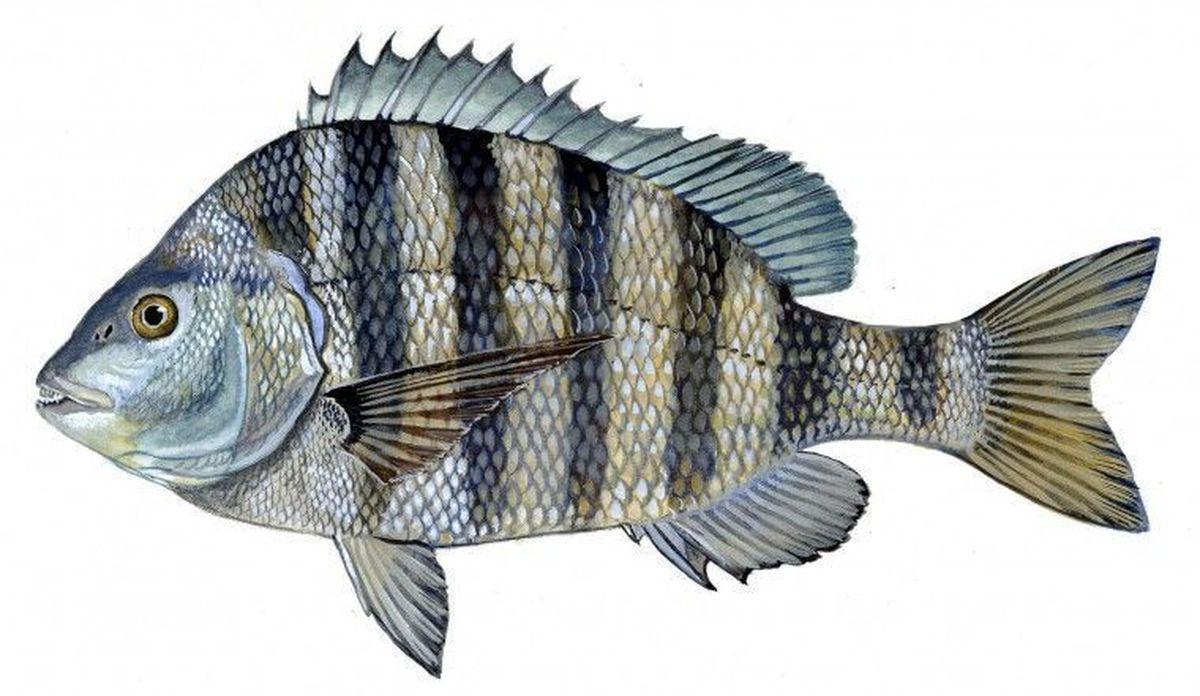
The Lagodon Rhomboides belongs to the order Perciformes and family Sparidae. It typically measures between 4 and 16 inches in length, with a weight range from 1 to 3 lbs. Habitat: seagrass flats, mangrove swamps, corals rich with barnacles. - Pinfish have 12 spines in their dorsal fin requiring careful handling. - Their silvery-white body features distinctive dark vertical bars. - They feed actively in shallow coastal waters around structure.
Fishing Charter by Captain Sangkyun Kim in December
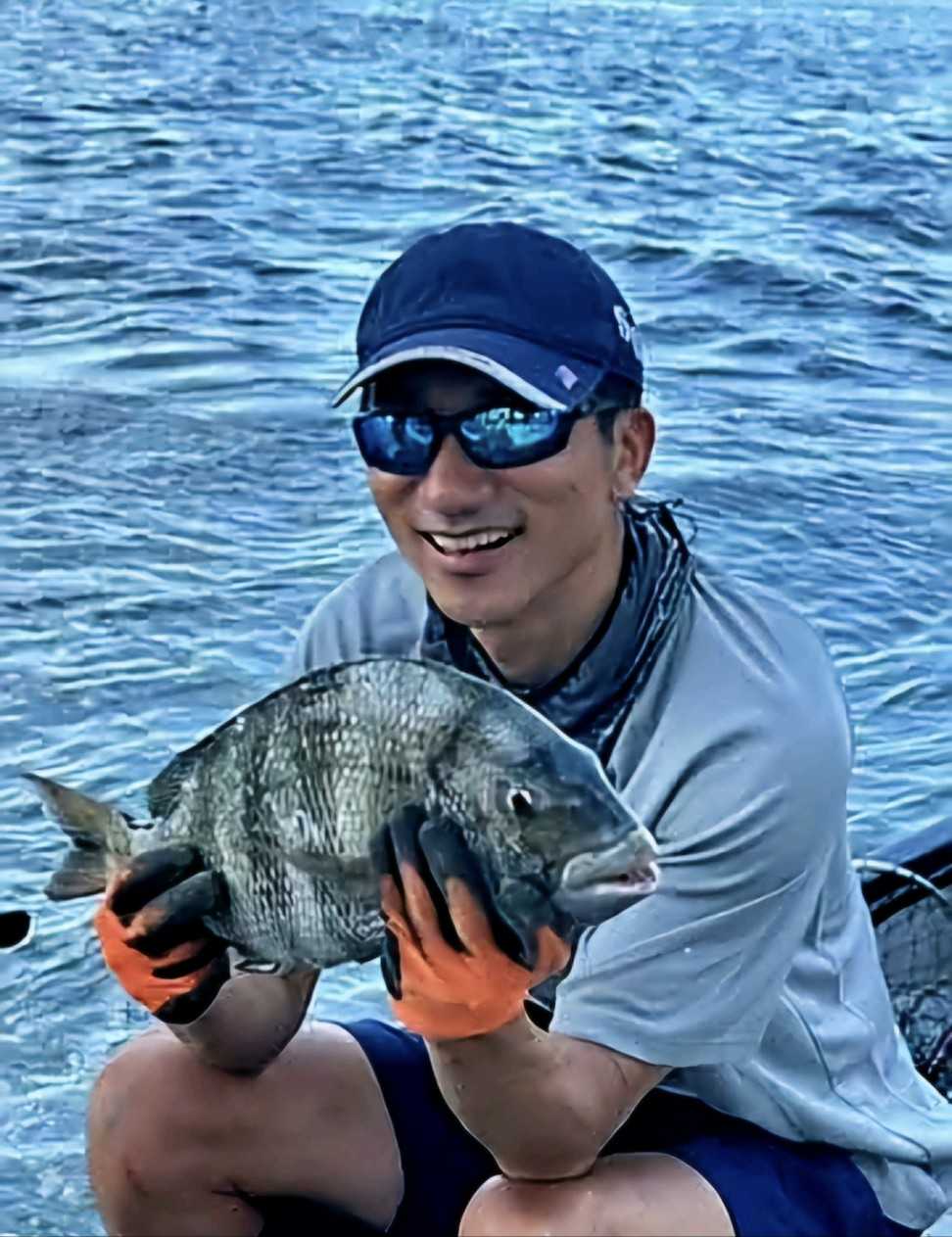
- I Love Hilton Head Island Fishing Charters!



Summary
Captain Sangkyun Kim of I Love Fishing Charters on Thursday July offers expert inshore fishing charters targeting Pinfish and other species around Hilton Head's productive waters. These 3-hour trips launch from C.C. Haigh, Jr. Boat Landing and combine surf fishing, light tackle techniques, and pier fishing methods to maximize your catch. Perfect for families and anglers of all skill levels, each charter includes professional guidance, quality equipment, and access to prime seagrass flats where Pinfish thrive. With consistent action and educational insights from a local captain, these trips deliver both excitement and knowledge about Hilton Head's diverse inshore fishery. Book online to secure your spot on the water.
Fishing Charter with Captain Kim – Rates & Booking
Captain Sangkyun Kim of I Love Fishing Charters on Thursday July provides comprehensive 3-hour inshore fishing experiences departing from C.C. Haigh, Jr. Boat Landing. These trips accommodate up to 3 guests and include all necessary tackle, bait, and expert instruction for targeting Pinfish and other inshore species. Rates cover professional guidance, light tackle equipment, and access to productive fishing grounds around seagrass flats and mangrove areas. Licensed captain with local expertise ensures both safety and success on the water. Contact directly for current pricing and availability.
Highlights of 3 Hour Fishing Trip
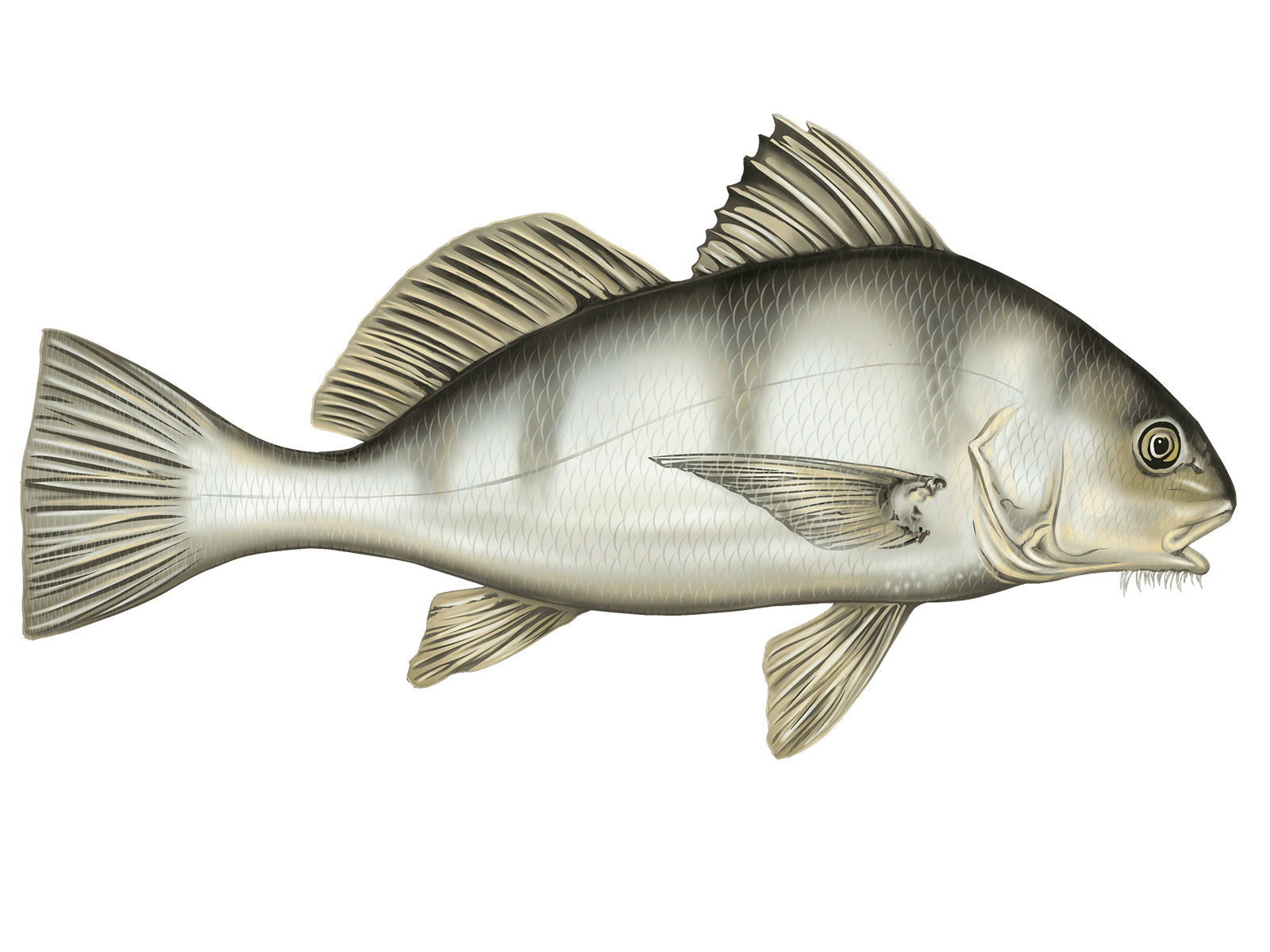
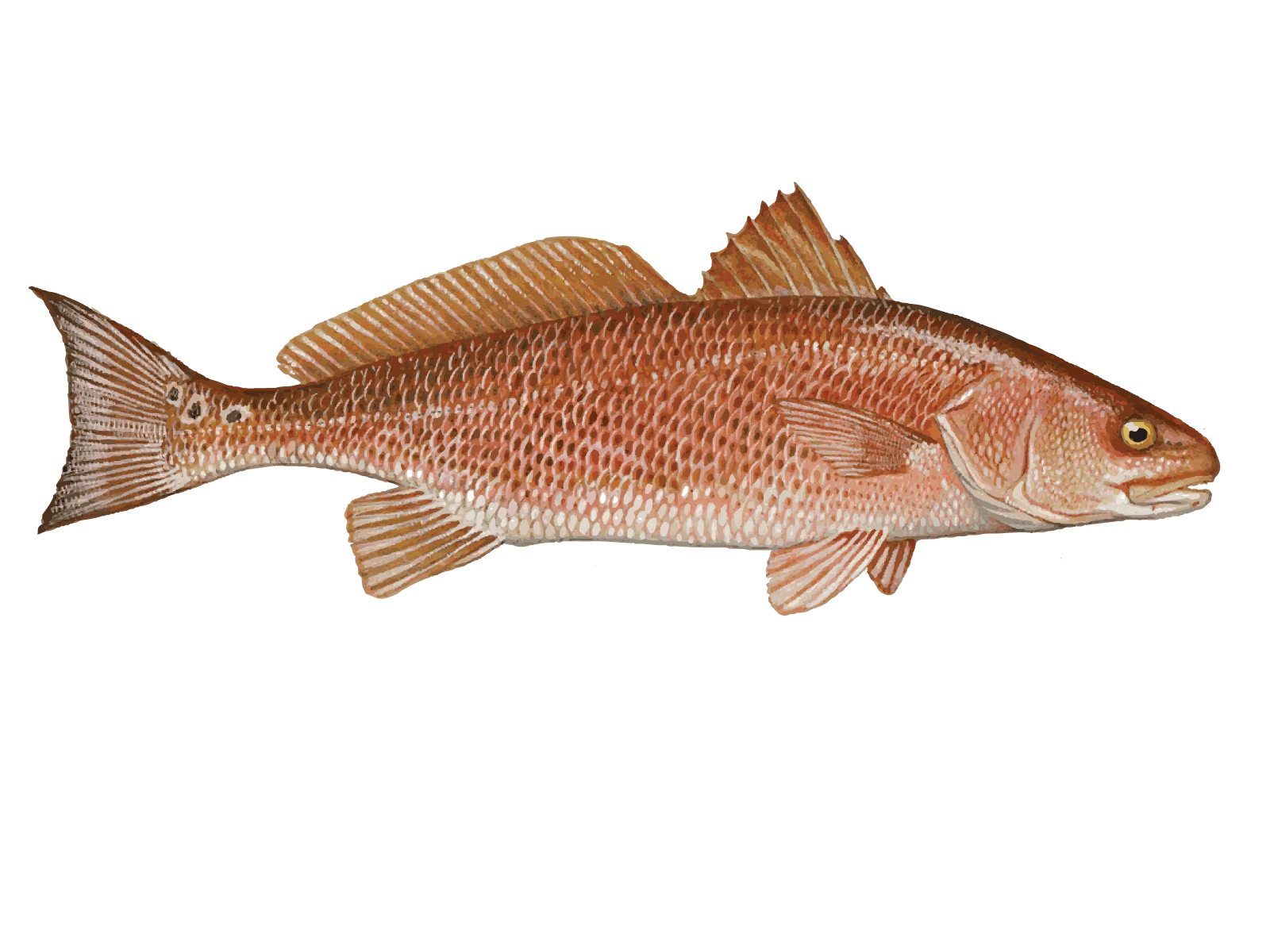
This charter combines multiple fishing techniques including surf fishing, inshore light tackle, and pier fishing methods to maximize your opportunities. Recent trips have produced solid catches including Pinfish, Redfish, and Black Drum using varied approaches tailored to current conditions. The 3-hour format provides excellent value for families and groups wanting quality fishing time without a full-day commitment. Captain Kim's educational approach means you'll learn proper techniques, local fish behavior, and seasonal patterns while enjoying consistent action on the water.
Local Species Insights: Pinfish
Pinfish are abundant around Hilton Head's seagrass flats and mangrove systems, making them a reliable target for light tackle fishing. These hardy members of the Sparidae family feed actively in shallow waters where their silvery bodies and distinctive vertical bars make them easy to identify. Their 12-spine dorsal fin requires careful handling, but their willingness to bite various baits makes them excellent for teaching fishing fundamentals. During summer months, Pinfish congregate in areas rich with barnacles and small crustaceans, providing consistent action for anglers using light tackle setups.
Plan Your Fishing Charter Day
Your trip begins at C.C. Haigh, Jr. Boat Landing where Captain Kim provides a safety briefing and equipment overview. All fishing gear, tackle, and bait are included, though you're welcome to bring personal equipment if preferred. The boat accommodates up to 3 guests comfortably with adequate seating and storage for personal items. Trips adapt to weather conditions and fish activity, with the captain selecting the most productive techniques and locations based on current patterns. Bring sun protection, drinks, and snacks for the most comfortable experience on Hilton Head's inshore waters.
Fishing in Hilton Head: Pinfish
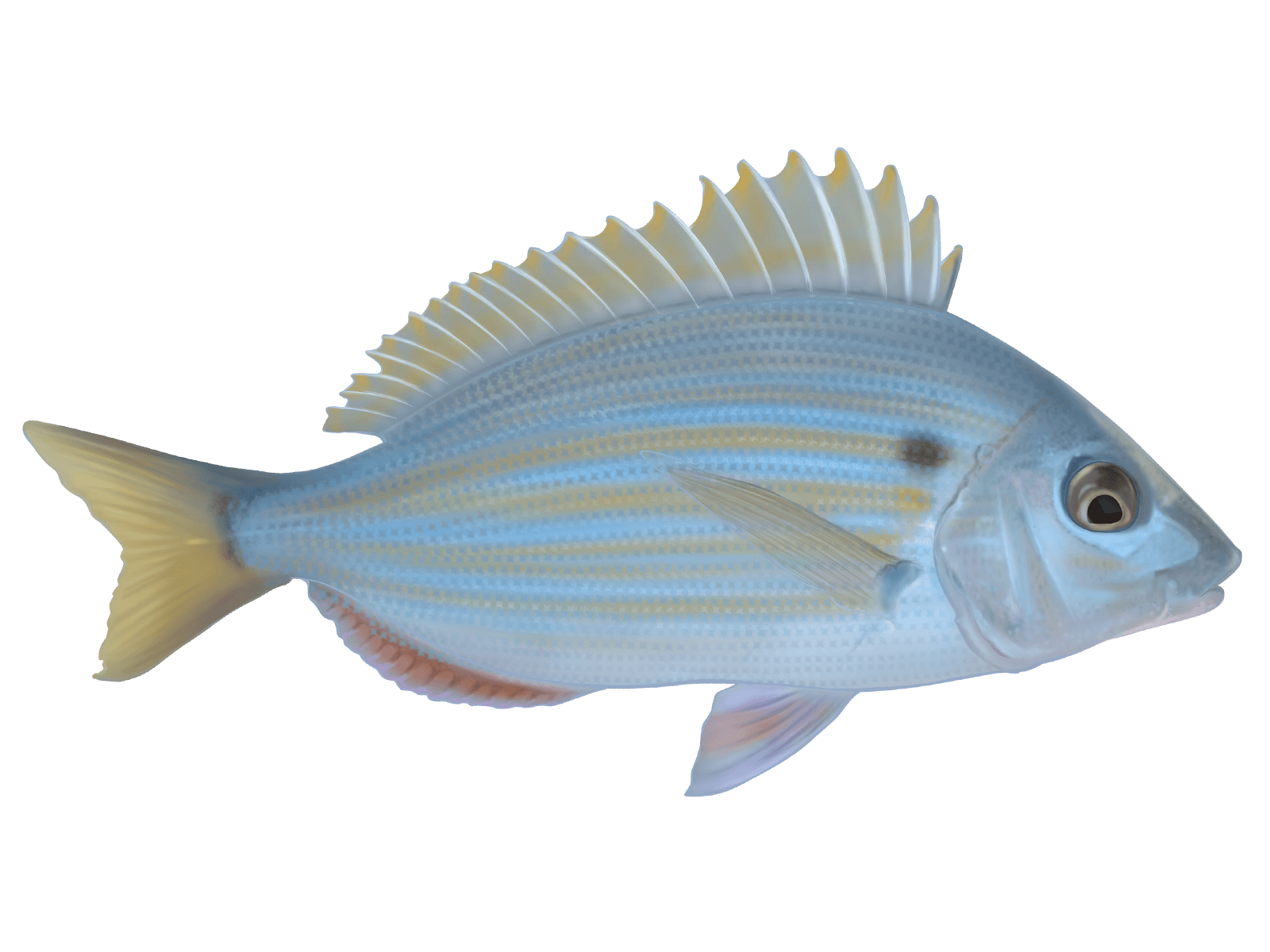
The Pinfish (Lagodon rhomboides) is a hardy member of the Sparidae family found throughout coastal waters from North Carolina to Florida. Despite their common name, these fish aren't pin-sized—they typically range from 4 to 16 inches and can weigh up to 3 pounds. In Hilton Head waters this July, Pinfish are particularly active around seagrass beds and mangrove shorelines where they feed on small crustaceans and marine vegetation.
Pinfish Overview
Pinfish are easily recognizable by their silvery-white bodies marked with 4-6 dark vertical bars and a distinctive black spot behind their gill covers. Their compressed, oval-shaped body and prominent dorsal fin with 12 sharp spines make them unmistakable. These fish are valued by anglers both as a target species and as excellent live bait for larger gamefish like Redfish and Snook.
Pinfish Habitat and Distribution
These adaptable fish thrive in shallow coastal waters, particularly around seagrass flats, mangrove swamps, and areas rich with barnacles and oyster beds. Around Hilton Head Island, they're commonly found in depths from 2 to 40 feet, with juveniles preferring very shallow grass flats while adults venture into slightly deeper waters near structure.
Pinfish Size and Weight
Most Pinfish caught by anglers measure between 4 and 8 inches, though they can reach up to 16 inches in length. Adult fish typically weigh 1 to 3 pounds, with larger specimens becoming increasingly rare. The current South Carolina record stands at just over 3 pounds.
Pinfish Diet and Behavior
Pinfish are opportunistic feeders that consume small crustaceans, marine worms, algae, and detritus. They're most active during daylight hours, often forming loose schools around structure. Their feeding behavior makes them excellent indicators of healthy seagrass ecosystems, as they help control algae growth while serving as prey for larger predators.
Pinfish Spawning Season
Spawning occurs from late spring through early fall in offshore waters, with peak activity during summer months when water temperatures reach 75-80°F. During this period, adult Pinfish move to deeper waters to spawn before returning to shallow inshore areas.
Pinfish Fishing Techniques
Light tackle fishing with small hooks and live or cut bait works best for Pinfish. Popular baits include shrimp pieces, squid strips, and marine worms fished near grass beds or structure. In July around Hilton Head, anglers find success using size 4-6 hooks with split shot rigs in 3-10 feet of water near mangrove edges and oyster bars.
Pinfish Is It Good to Eat?
While edible, Pinfish are bony and not typically considered a premier table fish. Their firm, white meat has a mild flavor but requires careful filleting due to numerous small bones. Many anglers prefer using them as live bait for larger species rather than keeping them for the dinner table.
Pinfish Frequently Asked Questions
Q: What is the best bait for Pinfish?
A: Small pieces of fresh shrimp, squid strips, or marine worms work excellently. Pinfish are aggressive feeders and will readily take most natural baits presented on appropriately sized hooks.
Q: Where can I find Pinfish near Hilton Head?
A: Look for them around seagrass flats, mangrove shorelines, and oyster beds in 2-15 feet of water. Popular spots include Calibogue Sound, Skull Creek, and the grass flats around Daufuskie Island.
Q: Is Pinfish good to eat?
A: They're edible but bony, making them better suited as live bait for larger gamefish. If you do keep them, they're best prepared whole-fried or used in fish stock due to their bone structure.
Q: When is the best time to catch Pinfish?
A: Pinfish bite consistently year-round in South Carolina, but summer months offer the most active feeding. Early morning and late afternoon typically produce the best results when they're feeding most aggressively.