%2Ffit-in%2F250x250%2Fguide_websites%2F20682%2Fimages%2F1737719819391image-2025-01-24t185025.802.png&w=1920&q=100)
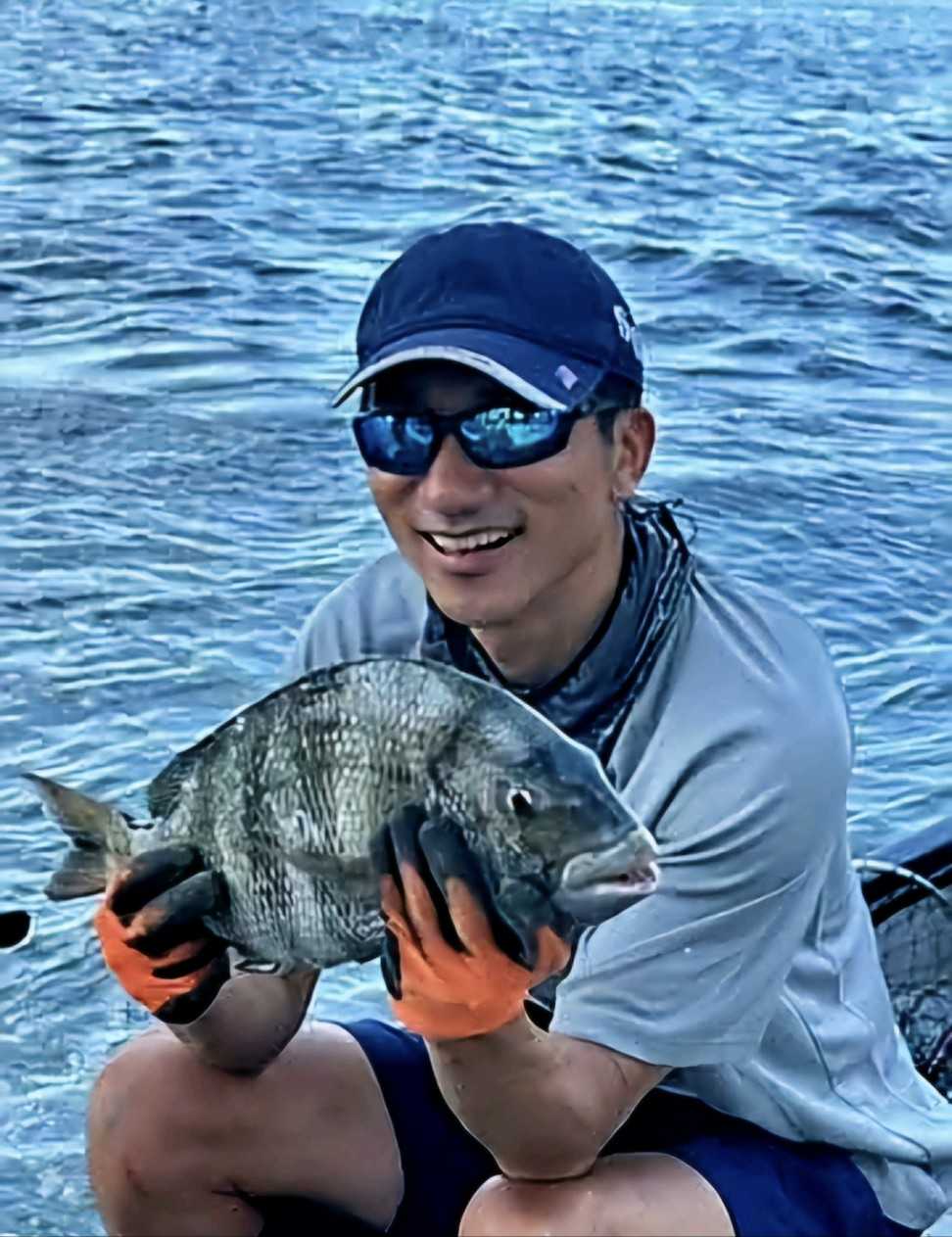
Pinfish Caught on Fishing Charter Near Hilton Head Island
Pinfish Fishing in Hilton Head - What to Expect
%2F%2Fusers%2F29e95bd0-9144-46e8-a2bf-8b0a30312188%2Fimages%2Fpinfish-catch-hilton-head-island-2684.jpeg&w=1920&q=75)
Fishing Charter by Captain Sangkyun Kim in August
- I Love Hilton Head Island Fishing Charters!



Summary
Chase pinfish on an exhilarating fishing charter around Hilton Head Island. On Wednesday, August 19, Captain Kim of I Love Fishing Charters delivers fast-paced action and expert inshore tactics that keep anglers hooked and excited throughout the day.
Fishing Charter with Captain Kim - Rates & Booking
Captain Sangkyun Kim of I Love Fishing Charters on Wednesday, August 19 delivers the high-octane inshore action that defines Hilton Head fishing. Pinfish dominate these waters, and they strike with intensity that keeps your adrenaline pumping from sunrise to sunset. Each caught fish represents genuine excitement and the thrill of a well-executed cast meeting an aggressive strike.
To book your fishing charter or inquire about rates, availability, and package options, contact I Love Fishing Charters directly. Captain Kim tailors each outing to match your skill level and fishing goals, ensuring maximum action and unforgettable moments on the water.
Highlights of Your Fishing Charter
Hilton Head Island delivers consistent pinfish action in dynamic shallow waters. You'll experience rapid-fire strikes, tight lines, and the pure rush of reeling in catch after catch. The inshore environment around Hilton Head creates ideal conditions for pinfish hunting, with structure and baitfish activity that drives aggressive feeding behavior throughout the tide changes.
Captain Kim's expertise turns every moment into peak action. His knowledge of local pinfish behavior, current patterns, and seasonal dynamics means you spend less time searching and more time fighting fish. Whether you're targeting feeding zones or exploring productive structure, each cast holds real potential.
Local Species Insights: Pinfish
Pinfish thrive in the coastal waters surrounding Hilton Head Island, dominating the inshore ecosystem with their aggressive feeding habits and lightning-quick strikes. These hard-fighting fish patrol shallow flats, grass beds, and structured areas where baitfish congregate. Their small but feisty nature makes them perfect targets for fast-paced fishing action that delivers constant excitement.
Pinfish inhabit depths ranging from ankle-deep flats to deeper channels, adapting quickly to changing light and tide conditions. They hunt in aggressive schools, which means when one bites, others follow in a feeding frenzy that creates non-stop action. Their speed and power relative to their size make every catch feel like a victory, especially when you're landing them in rapid succession during peak tide movement.
The inshore waters around Hilton Head provide ideal pinfish habitat with abundant structure, grass coverage, and tidal flow. Captain Kim knows exactly where these fish stage during different times of day and seasons, positioning your charter for maximum encounters. The shallow, clear water allows you to see the action unfold, watch schools moving through, and experience the raw energy of aggressive coastal fishing.
Plan Your Fishing Day
A typical fishing charter revolves around tide schedules and pinfish movement patterns. Early morning sessions capitalize on aggressive feeding before midday heat slows activity. Afternoon and late-day charters hit the evening feed when pinfish become most active and competitive. Captain Kim coordinates timing to match fish behavior, ensuring you arrive when conditions peak.
Bring sunscreen, polarized sunglasses, and water - the Hilton Head sun reflects hard off shallow water and intensifies throughout the day. Wear comfortable clothes that allow free movement for casting and reeling. Captain Kim provides guidance on tackle preferences and techniques, though experienced anglers often bring personal preferred setups. The fast pace of pinfish fishing means constant action, so stay hydrated and ready for non-stop excitement from start to finish.
Fishing in Hilton Head: Pinfish
Pinfish Overview
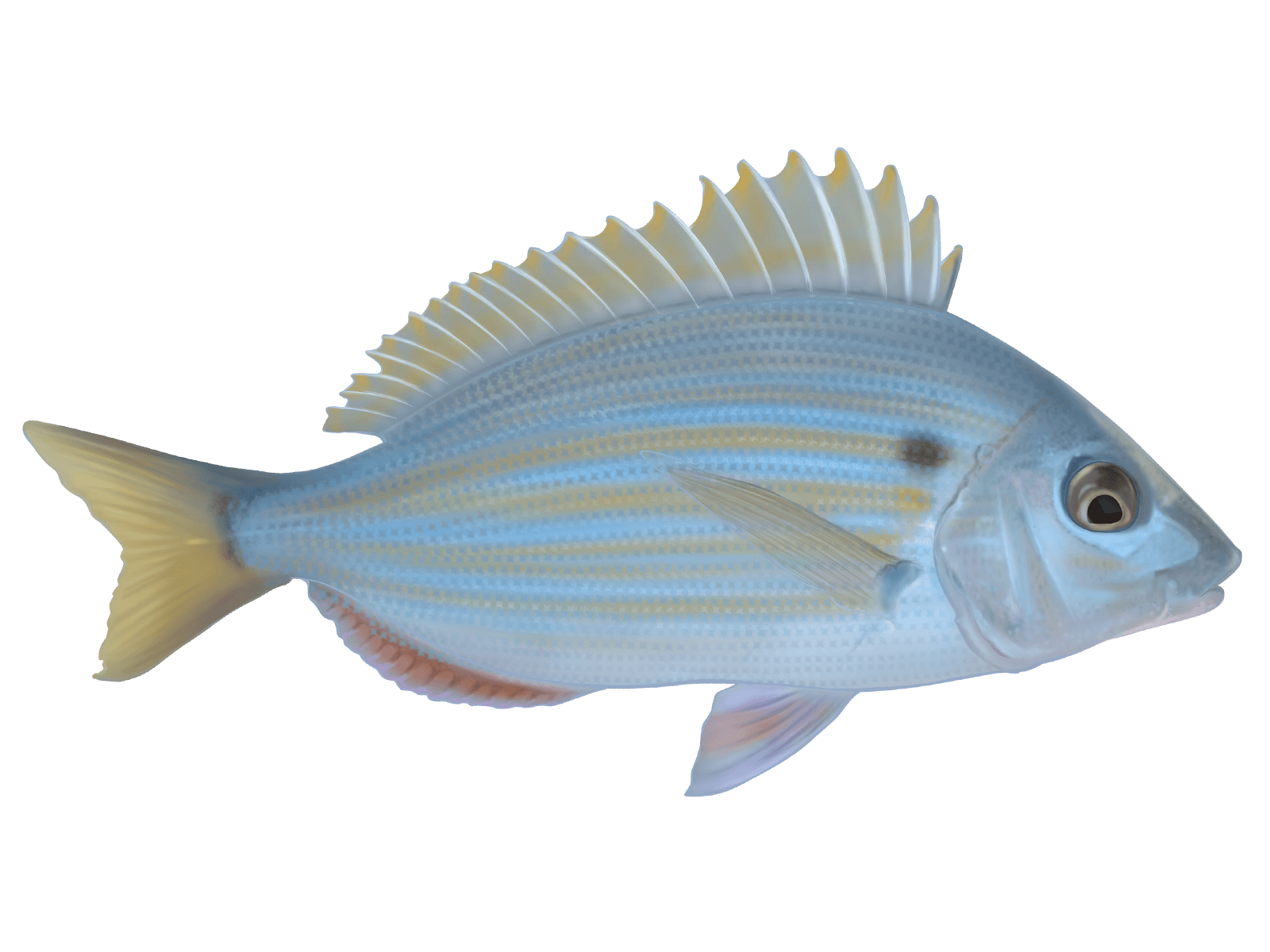
The Pinfish (Lagodon rhomboides), belonging to the family Sparidae and order Perciformes, is a small but spirited fish that has earned its name from the impressive array of spines running along its dorsal fin—12 of them to be exact. Don't let their diminutive size fool you; these silvery-white fish with dark vertical bars are a fixture in coastal waters and seagrass flats, where they zip around in schools causing both frustration and amusement to anglers. What makes Pinfishes truly distinctive are their striking coloration patterns: dark olive-green backs adorned with pigmentations of yellow, blue, and green, and occasionally even rare flashes of neon purple. Found abundantly in southern coastal regions, the Pinfish has become legendary in fishing circles—not for their table value, but for their reputation as notorious bait stealers and their utility as live bait for larger gamefish.
Pinfish Habitat and Distribution
Pinfishes are quite literally addicted to seagrass, and the best place to find them is at the edge of a seagrass flat where sand transitions into the grass beds. These fish thrive in shallow coastal waters, ranging from 30 to 50 feet deep, and show a particular fondness for mangrove swamps and coral-rich areas teeming with barnacles—their all-time favorite food. They travel in tight-knit schools and are rarely found alone, making them easy to locate once you've spotted one. Around popular fishing destinations in Florida and along the Gulf Coast, seagrass flats are prime real estate for finding active schools of Pinfishes. Mangrove swamps serve as excellent secondary habitats, though anglers should note that these areas often host other species like grouper and snapper, making it a mixed bag in terms of what you might reel in.
Pinfish Size and Weight
Pinfishes typically grow to around 4.5 inches on average, though the species can reach up to 16 inches under optimal conditions—though sightings of fish this large are exceptionally rare. Most specimens you'll encounter will weigh between 1 to 3 pounds, with the typical catch hovering closer to the smaller end of that range. Their small stature is partly due to predation pressure from larger species such as Alligator Gar, Longnose Gar, Southern Sea Trout, and Red Drum, which actively hunt Pinfishes as a food source. Because they rarely exceed record-breaking sizes, Pinfishes don't qualify for state records in most jurisdictions—a fact that doesn't diminish their importance in the local ecosystem and fishing culture.
Pinfish Diet and Behavior
Adult Pinfishes are not piscivorous hunters; instead, they're bottom-feeders with a particular passion for crustaceans and barnacles. You'll typically find them hovering near rocky outcrops and coral formations, methodically picking off barnacles and small invertebrates from the substrate. Juvenile Pinfishes, however, tell a different story—they're scrappy little predators that readily consume fish fry and crustaceans, giving them an opportunistic edge as they grow. Pinfishes are diurnal by nature, showing peak activity during daylight hours with a notable uptick in the morning. They're far less active at night, making daytime excursions your best bet for encountering active fish. Temperature plays a crucial role in their behavior; these fish are sensitive to cold and actively avoid frigid waters, so seasonal timing and water conditions are essential considerations for anyone planning a Pinfish outing.
Pinfish Spawning or Seasonal Activity
While specific spawning details for Pinfishes can vary by region, these fish are generally most active during warmer months when water temperatures rise above their cold-water threshold. They show consistent daytime activity patterns throughout the warmer seasons, with schools congregating in shallow seagrass flats and mangrove areas. Temperature shifts dramatically affect their distribution and behavior; as waters cool in fall and winter, Pinfishes become lethargic and move into deeper refuges. For anglers and observers, the warm season—spring through early fall—represents the prime window for encountering robust, active populations. Morning sessions during these months offer the highest probability of interaction and observation.
Pinfish Techniques for Observation or Capture
Method 1: Seagrass Flat Chumming – The most effective approach is to position yourself at the edge of a seagrass flat where sand meets grass. Disperse chum such as leftover squid, shrimp, and organic scraps into the water. This technique draws Pinfishes out from their hiding spots within the seagrass. Use a Sabiki Rig—a specialized multi-hook rig designed for small fish—and lower it into the chum dispersal zone. Allow the rig to work slowly, and be patient; schools will arrive within minutes once they detect the chum.
Method 2: Mangrove Structure Fishing – Mangrove swamps offer excellent Pinfish habitat, though you'll contend with mixed species. Deploy small nets or cast light tackle near mangrove root systems during morning hours when activity peaks. This method is particularly effective if your goal is capturing live Pinfishes for use as bait, as nets minimize injury to the fish compared to hook-and-line techniques.
Method 3: Net Deployment on Shallow Flats – For direct observation or capture, cast nets work exceptionally well on shallow seagrass flats. Target schools directly with a wide cast, using quick retrieval to trap multiple fish at once. This technique is far more productive than hooks, as Pinfishes travel in groups and hook-and-line methods often result in bait-stealing rather than successful captures. Around Charleston and other southeastern coastal cities, this net-casting approach is the go-to method among experienced anglers targeting Pinfishes for bait purposes.
Pinfish Culinary or Utilization Notes
Pinfishes are not considered edible in the traditional culinary sense. Their small size combined with an abundance of fine bones makes them impractical for human consumption—you'd spend more time de-boning than eating. However, their true value lies in their utility as premium live bait. Larger gamefish actively hunt Pinfishes, making them an exceptionally effective choice for targeting species like Red Drum, Snapper, and Grouper. Their lively swimming behavior and natural abundance in coastal environments make them readily available and economical for bait purposes. Additionally, some enthusiasts keep Pinfishes as aquarium pets, appreciating their vibrant coloration and active schooling behavior in captive settings. Their ecological role is also noteworthy: they help maintain amphipod and crustacean populations by feeding on these organisms, thereby supporting broader food web dynamics in coastal ecosystems.
Pinfish Frequently Asked Questions
Q: What is the best bait or technique for catching Pinfish?
A: A Sabiki Rig paired with chum (squid, shrimp, and organic scraps) deployed at the edge of seagrass flats is highly effective. Nets are even more efficient if your goal is live capture for use as bait. Avoid traditional hook-and-line methods, as Pinfishes are notorious for stealing bait rather than taking the hook.
Q: Where can I find Pinfish near coastal fishing areas?
A: Look for them in seagrass flats, particularly where sand transitions to grass, and in mangrove swamps. They favor waters 30–50 feet deep and show strong preference for areas rich with barnacles and coral. Southern coastal regions and Gulf Coast seagrass flats are prime locations year-round.
Q: Is Pinfish good to eat?
A: No—Pinfishes are not edible due to their small size and high bone-to-meat ratio. However, they excel as live bait for catching larger gamefish like Red Drum, Snapper, and Grouper, making them far more valuable in that capacity.
Q: When is the best time to catch or observe Pinfish?
A: Early morning during warm months (spring through early fall) offers the highest success rate. Pinfishes are diurnal and cold-sensitive, showing minimal activity at night or in cold water. Daytime excursions with above-average water temperatures produce the most consistent encounters.
Q: Why do anglers recommend using Pinfish as bait?
A: Pinfishes are abundant, hardy, and naturally preyed upon by larger species including Alligator Gar, Longnose Gar, Southern Sea Trout, and Red Drum. Their small size and lively behavior make them irresistible to larger predators, dramatically increasing your odds of landing quality gamefish.
Q: Are Pinfishes difficult to handle?
A: Yes—their 12 dorsal spines can deliver a painful prick if handled carelessly. Use nets for capture rather than hand-grabbing, and wear gloves if hand-handling becomes necessary. This is why most anglers employ nets when collecting Pinfishes for bait purposes.