%2Ffit-in%2F250x250%2Fguide_websites%2F20682%2Fimages%2F1737719819391image-2025-01-24t185025.802.png&w=1920&q=100)
Caught an Oyster Toadfish Inshore in Hilton Head
Oyster Toadfish Fishing in Hilton Head Island
%2F%2Fusers%2F29e95bd0-9144-46e8-a2bf-8b0a30312188%2Fimages%2Foyster-toadfish-hilton-head-fishing-8011.png&w=1920&q=75)
The Opsanus Tau belongs to the order Batrachoidiformes and family Batrachoididae. It typically measures between 12 and 16 inches in length, with a weight range from 3 to 5 lbs. Habitat: wrecks, reefs. - Also known as ugly toad, oyster cracker, oyster catcher, and bar dog. - Yellowish coloration with olive-brown patterns.
Fishing Charter by Captain Sangkyun Kim in August
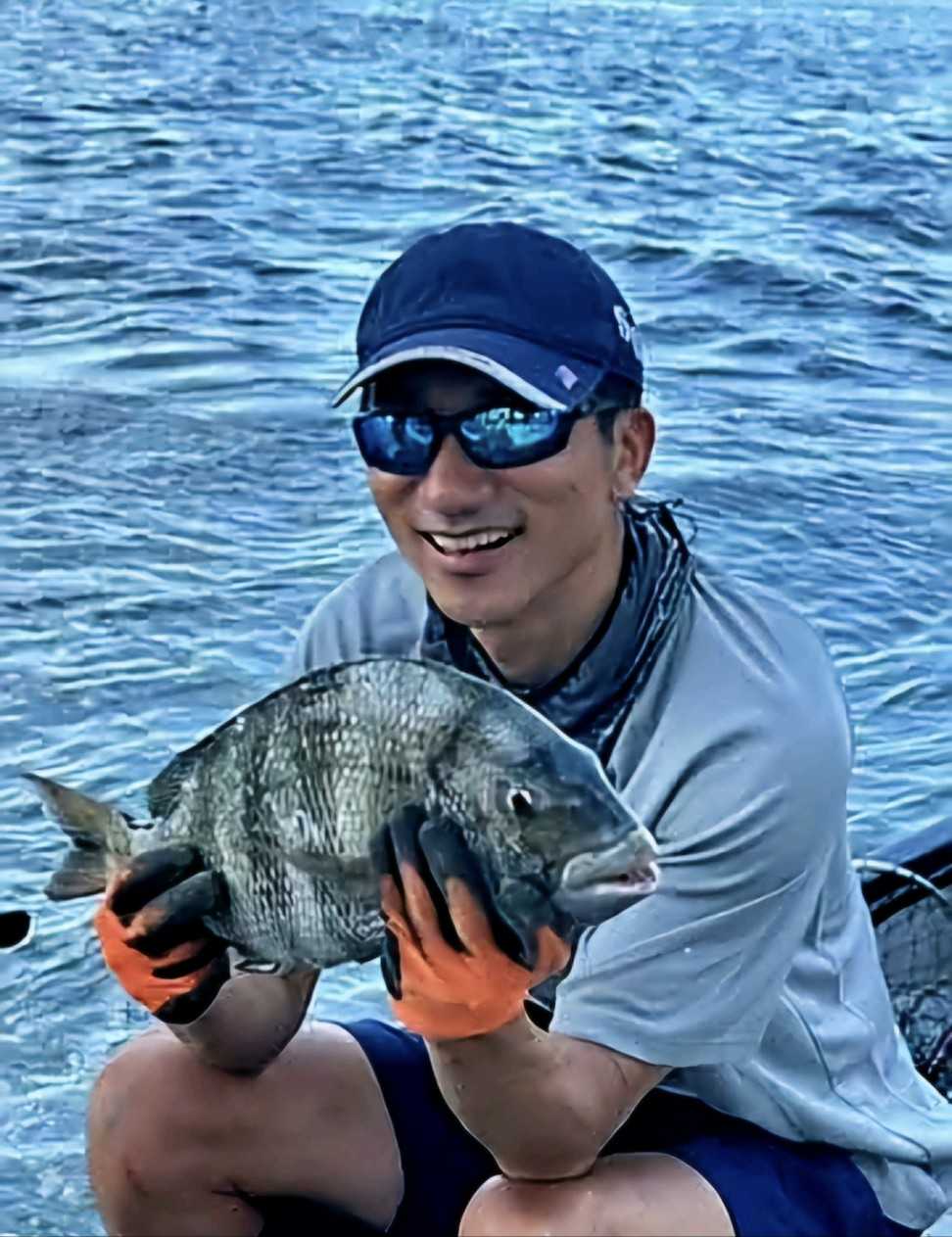
- I Love Hilton Head Island Fishing Charters!



Summary
Captain Kim of I Love Fishing Charters on Wednesday June offers exceptional inshore fishing experiences around Hilton Head Island's diverse waters. This 2-hour morning charter targets species like Redfish, Black Drum, and the unique Oyster Toadfish using surf fishing, pier fishing, and inshore techniques. With clear summer conditions and calm waters, anglers enjoy productive fishing near wrecks and reefs while exploring Hilton Head's beautiful coastal ecosystem. All gear and local expertise included for a memorable South Carolina fishing adventure.
Fishing Charter with Captain Kim – Rates & Booking
Captain Kim of I Love Fishing Charters on Wednesday June provides expert-guided inshore fishing trips around Hilton Head Island's productive waters. This 2-hour morning charter includes all fishing gear, local knowledge, and access to prime fishing spots near wrecks and reefs. Licensed captain with extensive experience in Hilton Head's inshore waters ensures a safe and successful fishing adventure. Book online for immediate confirmation and competitive rates.
Highlights of Inshore Fishing Adventure
Experience the best of Hilton Head's inshore fishing with multiple techniques including surf fishing, pier fishing, and targeted inshore fishing. Recent trips have produced quality catches including 21-inch Redfish, 23-inch Black Drum, and the fascinating Oyster Toadfish. Clear summer conditions provide excellent visibility for spotting structure and working productive areas effectively.
The diverse ecosystem around Hilton Head Island offers consistent action for anglers of all skill levels. From beautiful beaches to productive inshore waters, this charter covers the variety that makes Hilton Head a premier Southeast fishing destination.
Local Species Insights: Oyster Toadfish
The Oyster Toadfish represents one of Hilton Head's most unique inshore species, commonly found around wrecks and reefs where they ambush prey. These bottom-dwelling fish are perfectly adapted to the structured environments around Hilton Head Island, making them an interesting catch for anglers exploring the area's diverse marine life. During summer months, Oyster Toadfish become more active in the warmer waters, providing exciting opportunities for anglers using jigging techniques near their preferred habitat.
Plan Your Fishing Charter Day
Your 2-hour inshore fishing adventure begins around 11:00 AM with all necessary gear provided by Captain Kim. The charter accommodates small groups and focuses on productive fishing spots within Hilton Head's inshore waters. Safety equipment and local expertise ensure a comfortable experience while targeting the area's diverse fish species. Clear communication about techniques and local conditions helps maximize your time on the water.
Fishing in Hilton Head: Oyster Toadfish
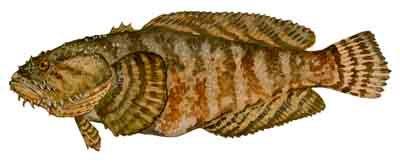
The Oyster Toadfish (Opsanus tau) belongs to the order Batrachoidiformes and family Batrachoididae, representing one of the most distinctive bottom-dwelling species found around Hilton Head Island. Also known as the ugly toad, oyster cracker, oyster catcher, and bar dog, this fascinating fish displays a yellowish coloration with olive-brown back patterns and distinctive brown blotches. In Hilton Head waters this June, anglers often encounter these unique fish around structured areas.
Oyster Toadfish Overview
The Oyster Toadfish is a scaleless, bottom-dwelling fish with a compressed, flattened body perfectly adapted for life among wrecks and reefs. Distinguished by their large, flat head with bulging eyes and characteristic whiskers or fleshy flaps on their cheeks and jaws, they are unmistakable once caught. These fish are ambush predators that rely on camouflage and patience to capture prey.
Oyster Toadfish Habitat and Distribution
Found primarily along the Atlantic coast from Maine to Florida, Oyster Toadfish thrive in structured environments including wrecks, reefs, oyster beds, and rocky areas. Around Hilton Head Island, they inhabit inshore waters where hard bottom structure provides ideal hunting grounds and shelter. They prefer areas with good water circulation and abundant small prey fish.
Oyster Toadfish Size and Weight
Typical Oyster Toadfish range from 12 to 16 inches in length, with weights between 3 to 5 pounds. While not large by fishing standards, their robust build and strong jaws make them surprisingly powerful fighters when hooked.
Oyster Toadfish Diet and Behavior
These opportunistic predators feed on small fish, crabs, shrimp, worms, and mollusks. They are ambush hunters that remain motionless among structure until prey comes within striking distance. Most active during dawn and dusk periods, they use their excellent camouflage to blend seamlessly with their surroundings.
Oyster Toadfish Spawning Season
Spawning occurs during warmer months when water temperatures rise above 68°F. Males create nests in crevices or under structures, producing distinctive grunting sounds to attract females. The male guards the eggs and young, making them more aggressive during breeding season.
Oyster Toadfish Fishing Techniques
Target Oyster Toadfish using bottom fishing techniques with natural baits like shrimp, squid, or small crabs near structured areas. Jigging with small jigs tipped with bait works effectively around wrecks and reefs. In June around Hilton Head, anglers find success fishing near oyster beds and artificial reefs using light tackle and patient presentation.
Oyster Toadfish Is It Good to Eat?
While edible, Oyster Toadfish are not commonly kept for the table due to their unusual appearance and small size. The meat is white and mild-flavored but requires careful cleaning. Most anglers practice catch and release with this interesting species.
Oyster Toadfish Frequently Asked Questions
Q: What is the best bait for Oyster Toadfish?
A: Fresh shrimp, small crabs, and squid strips work best when fished on or near the bottom around structured areas.
Q: Where can I find Oyster Toadfish near Hilton Head?
A: Look for them around wrecks, reefs, oyster beds, and rocky areas in inshore waters where they ambush prey from cover.
Q: Is Oyster Toadfish good to eat?
A: While edible with mild, white meat, most anglers release them due to their unique ecological role and unusual appearance.
Q: When is the best time to catch Oyster Toadfish?
A: Dawn and dusk periods during warmer months provide the best opportunities when they are most active feeding.
Q: Do Oyster Toadfish make noise?
A: Yes, they produce distinctive grunting sounds, especially during spawning season, which is how they got their common name.
Q: Are Oyster Toadfish dangerous to handle?
A: They have strong jaws and can bite, so handle carefully. They also have venomous spines that can cause painful wounds if not handled properly.