%2Ffit-in%2F250x250%2Fguide_websites%2F20682%2Fimages%2F1737719819391image-2025-01-24t185025.802.png&w=1920&q=100)
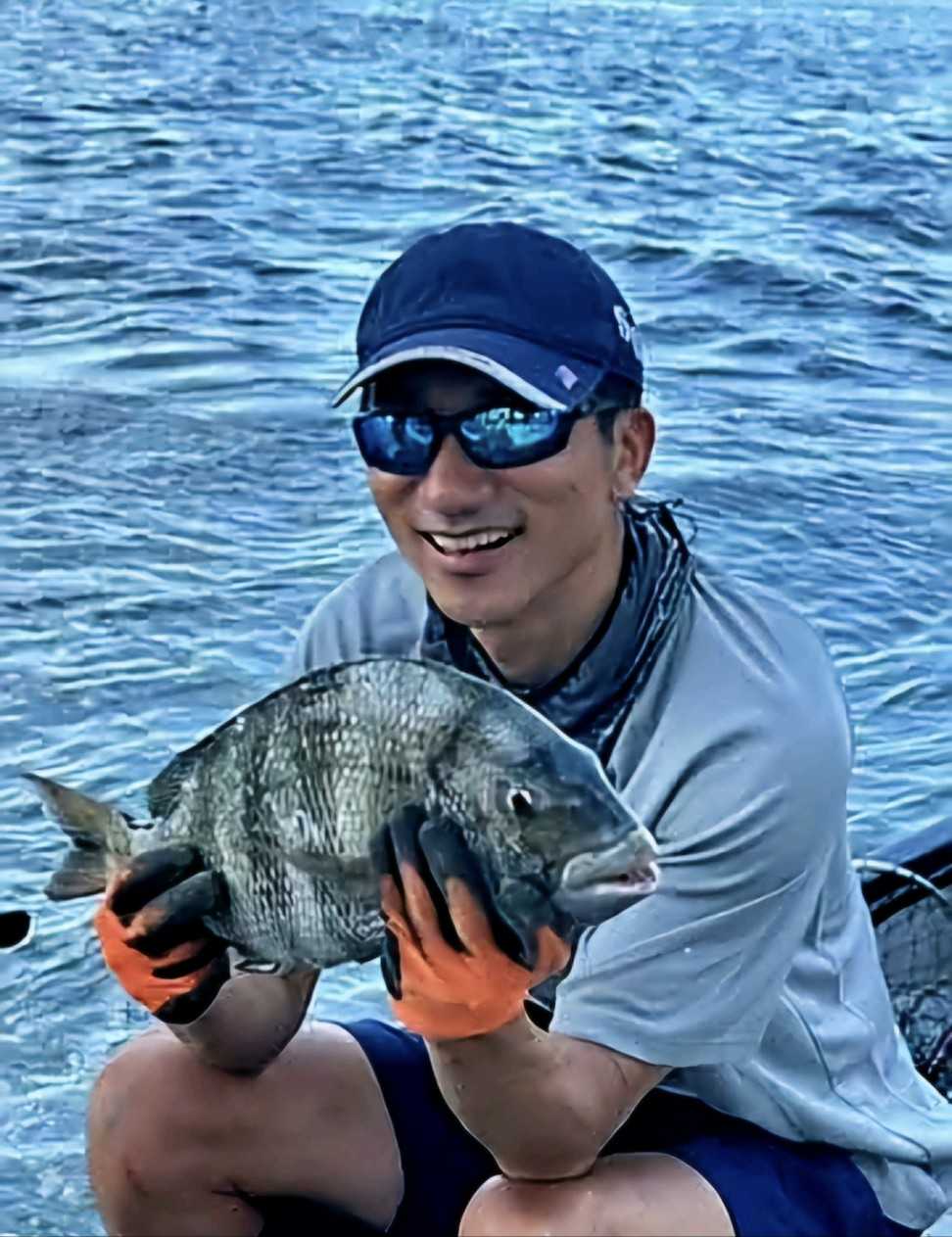
Stingray Caught Fishing in Hilton Head Island SC
Stingray Fishing in Hilton Head Island - What to Expect
%2F%2Fusers%2F29e95bd0-9144-46e8-a2bf-8b0a30312188%2Fimages%2Fhilton-head-stingray-catch-2724.jpeg&w=1920&q=75)
Fishing Charter by Captain Sangkyun Kim in August
- I Love Hilton Head Island Fishing Charters!



Summary
Join a fishing charter in Hilton Head Island on Wednesday, August to catch stingray and explore the rich marine environment of coastal South Carolina waters. This charter experience showcases the diverse fish species and underwater ecosystems that make Hilton Head a premier fishing destination.
Fishing Charter with Captain Kim - Rates & Booking
Captain Sangkyun Kim of I Love Fishing Charters on Wednesday, August offers an engaging fishing charter experience in Hilton Head Island waters. This charter provides an excellent opportunity to target stingray and other coastal species while learning about the marine environment from a seasoned local guide.
To book your fishing charter or inquire about rates and availability, contact I Love Fishing Charters directly. Captain Kim specializes in navigating Hilton Head's productive fishing grounds and shares expertise about local species behavior and seasonal patterns.
Highlights of Your Fishing Experience
Hilton Head Island offers diverse fishing opportunities with abundant marine life throughout the year. The waters surrounding Hilton Head support various ray species, including stingrays, which inhabit shallow flats and deeper channels depending on tidal conditions and water temperature. Fishing in these waters exposes you to the dynamic coastal ecosystem that defines the South Carolina lowcountry.
The experience combines active fishing with observation of local marine habitat. Whether working shallow flats or deeper structures, anglers gain insight into how species interact with their environment and what drives successful fishing techniques in this region.
Local Species Insights: Stingray
Stingrays are bottom-dwelling rays commonly encountered in Hilton Head Island waters. These creatures are benthic feeders, spending time on the seafloor searching for food sources like mollusks, crustaceans, and small fish. Understanding their habitat preferences and feeding behavior enhances your fishing experience and provides context for why they concentrate in specific areas.
Stingrays possess a venomous tail spine used primarily for defense rather than hunting. When disturbed, they demonstrate a natural avoidance response and will typically flee rather than engage. Encounters during fishing charters are generally low-risk when proper handling techniques are observed. Their presence in Hilton Head waters indicates a healthy ecosystem with abundant prey and suitable environmental conditions.
The rays inhabit waters ranging from shallow coastal flats to deeper channels, with movement patterns influenced by tidal cycles and water temperature. During flooding tides, they often move into shallower areas to feed. Their presence also signals the health of the seagrass beds and sandy bottoms that support the broader Hilton Head fishing ecosystem.
Fishing in areas where stingrays congregate connects you directly to the natural systems that sustain Hilton Head's rich marine diversity. Observing these creatures in their habitat teaches valuable lessons about coastal ecology and predator-prey relationships that shape the region's fishery.